


बार-बार पेशाब / Overactive Bladder (OAB)
Table of Contents
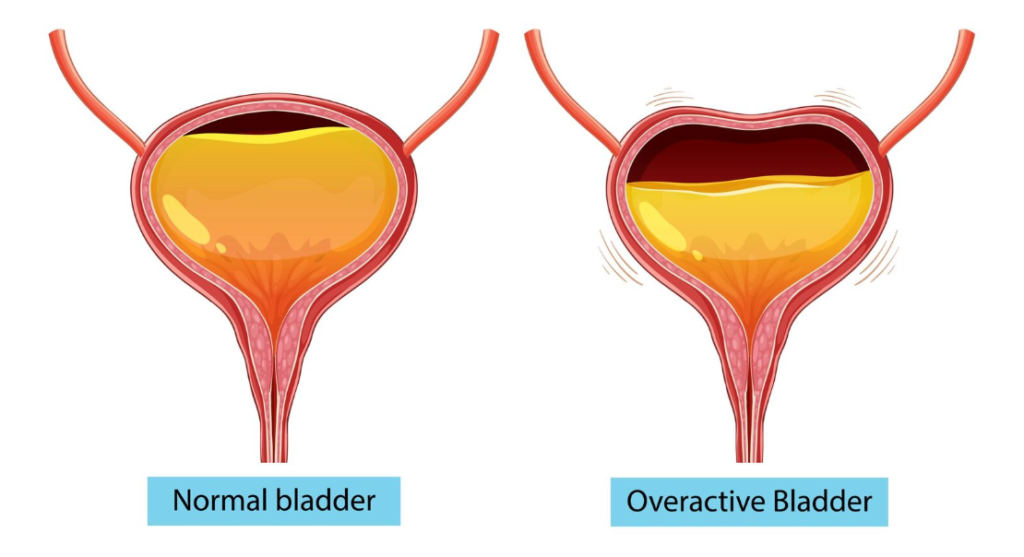
Frequent Urination / Overactive Bladder (OAB)
What is it?
Overactive Bladder (OAB) is a condition in which the bladder becomes more active than normal, causing a sudden and strong urge to urinate. In some cases, patients may not be able to control this urge and urine may leak unintentionally. This condition can occur in both men and women.
Main Symptoms
- Frequent urination (many times during the day)
- Sudden and strong urge to urinate (urgency)
- Difficulty controlling urination
- Waking up multiple times at night to urinate (nocturia)
- Sometimes urine leakage (urge incontinence)
Possible Causes
- Increasing age
- Overactivity of bladder muscles
- Prostate problems (in men)
- Nervous system disorders
- Diabetes
- Repeated infections
In many cases, the exact cause may not be clearly identified.
Diagnosis
The following tests may be recommended to determine the exact cause:
- Urine test
- Ultrasound bladder
- Post-void residual urine measurement
- Bladder diary (record of urination habits)
In complex cases:
- Urodynamic study
- Cystoscopy
Treatment
Treatment is usually done in a step-by-step approach.
1. Lifestyle & Behavioural Therapy
This is usually the first and most important step.
- Bladder training
- Scheduled urination
- Reducing caffeine and alcohol
- Limiting fluid intake in the evening
- Weight management
2. Medicines
If symptoms persist, medications may be prescribed.
- Antimuscarinic medicines
Help relax the bladder muscles and reduce urgency - Beta-3 agonists
Help increase bladder capacity
3. Advanced Treatments
If medications do not provide relief, advanced treatment options may be considered:
- Botulinum toxin injection
Botox injection is given into the bladder to reduce overactivity - Sacral nerve stimulation
Helps control nerve signals and improves bladder function
When to See a Doctor?
- Very frequent urination
- Sudden urine leakage
- Blood in urine
- Repeated infections
- Symptoms affecting quality of life
Prevention and Lifestyle Tips
- Drink water regularly but avoid excessive intake
- Reduce caffeine consumption
- Practice bladder training
- Maintain a healthy weight
What to Do Next?
- Book an appointment
- Consult a doctor for proper evaluation and treatment
For More Information
- European Association of Urology – Non-Neurogenic Female LUTS Guidelines
- American Urological Association – Overactive Bladder Guidelines
- Urological Society of India – LUTS / OAB Practice Recommendations