


Bladder Cancer
Table of Contents
Bladder Cancer
What is Bladder Cancer?
Bladder cancer is a condition in which abnormal cells grow uncontrollably in the lining of the urinary bladder. The bladder is the organ that stores urine before it leaves the body.
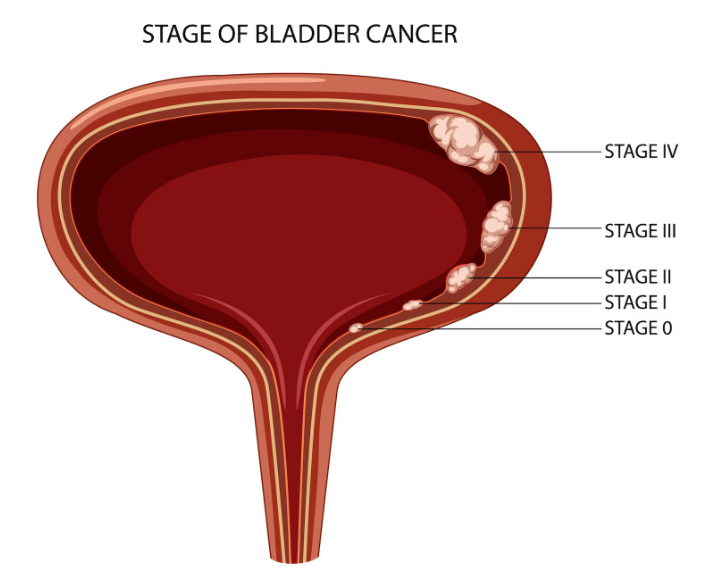
Most bladder cancers begin in the inner lining of the bladder and may spread to deeper layers if not treated in time. Early detection and treatment greatly improve the chances of successful management.
Symptoms
Common symptoms of bladder cancer include:
Blood in the urine (pink, red, or brown urine)
Frequent urge to urinate
Pain or burning during urination
Difficulty passing urine
Pain in the lower abdomen or back
In many cases, blood in urine without pain may be the first sign of bladder cancer.
Causes and Risk Factors
Several factors may increase the risk of bladder cancer:
Smoking or tobacco use
Long-term exposure to certain chemicals
Chronic bladder infections
Previous radiation therapy
Family history of bladder cancer
Increasing age (more common in older adults)
Diagnosis
To diagnose bladder cancer, doctors may recommend:
Urine tests to detect abnormal cells
Ultrasound of the bladder and kidneys
CT scan of the urinary tract
Cystoscopy – a procedure in which a thin camera is inserted into the bladder to examine its lining
Biopsy to confirm the presence of cancer cells
Treatment Options
Treatment for bladder cancer depends on the stage and extent of the disease.
1. Transurethral Resection of Bladder Tumor (TURBT): This is a common procedure used to remove early-stage tumors through the urethra.
2. Intravesical Therapy: In some cases, medications may be placed directly into the bladder to destroy cancer cells and prevent recurrence.
3. Surgery: If the cancer has spread deeper into the bladder wall, part or all of the bladder may need to be removed.
4. Chemotherapy or Radiation Therapy: These treatments may be used to destroy cancer cells or reduce the risk of recurrence.
Prevention
Although bladder cancer cannot always be prevented, certain steps may help reduce risk:
Avoid smoking and tobacco products
Drink adequate water daily
Limit exposure to harmful chemicals
Maintain a healthy lifestyle
When to See a Doctor?
You should seek medical advice if you notice:
Blood in the urine
Persistent urinary symptoms
Pain during urination
Frequent urination without clear cause
Early evaluation can help detect bladder cancer at an early stage when treatment is most effective.