


Kidney Cancer
Table of Contents
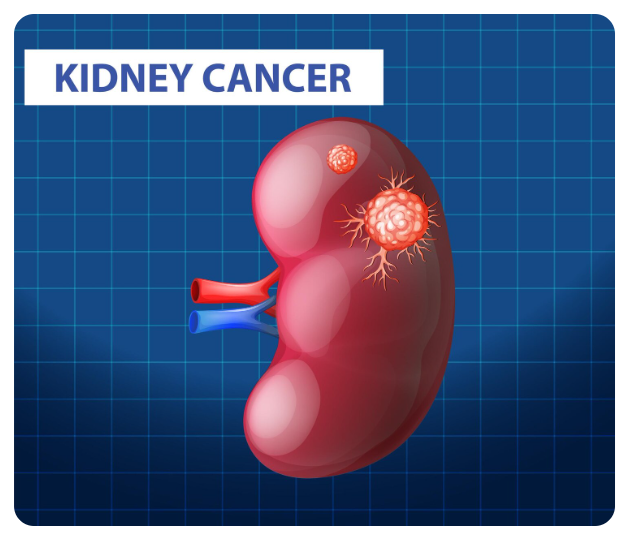
Kidney Cancer
What is Kidney Cancer?
Kidney cancer is a condition in which abnormal cells grow uncontrollably in the tissues of the kidneys. The kidneys are two bean-shaped organs located on either side of the spine that help filter waste and excess fluids from the blood to produce urine.
The most common type of kidney cancer in adults is Renal Cell Carcinoma (RCC). Kidney cancer may develop slowly and sometimes may not cause symptoms in the early stages.
Symptoms
In many cases, kidney cancer may not show symptoms in the early stages. As the disease progresses, the following symptoms may appear:
Blood in the urine (Hematuria)
Pain in the side or lower back
A lump or swelling in the abdomen
Unexplained weight loss
Fatigue or weakness
Fever that is not caused by infection
These symptoms can also be related to other kidney conditions, so proper medical evaluation is important.
Causes and Risk Factors
The exact cause of kidney cancer is not always known, but certain factors may increase the risk.
Smoking or tobacco use
Obesity
High blood pressure
Family history of kidney cancer
Long-term kidney disease
Exposure to certain chemicals
Diagnosis
Doctors may recommend several tests to diagnose kidney cancer, including:
Blood tests to evaluate kidney function
Urine tests
Ultrasound of the kidneys
CT scan or MRI to detect tumors
Biopsy in some cases to confirm cancer cells
Early detection helps determine the best treatment approach.
Treatment Options
Treatment for kidney cancer depends on the size, stage, and spread of the tumor.
1. Surgery: Surgery is the most common treatment and may include:
Partial nephrectomy – removing only the tumor while preserving the kidney
Radical nephrectomy – removing the entire kidney if the tumor is large
2. Targeted Therapy: Certain medications may be used to target cancer cells and stop their growth.
3. Immunotherapy: This treatment helps the immune system recognize and destroy cancer cells.
4. Radiation Therapy: In some cases, radiation may be used to control symptoms or treat advanced cancer.
Prevention
Although kidney cancer cannot always be prevented, the following measures may help reduce risk:
Avoid smoking
Maintain a healthy body weight
Control blood pressure
Follow a healthy lifestyle and balanced diet
When to See a Doctor?
You should consult a doctor if you notice:
Blood in the urine
Persistent pain in the side or back
Unexplained weight loss
Fatigue or swelling in the abdomen
Early diagnosis and appropriate treatment improve the chances of successful management of kidney cancer.