

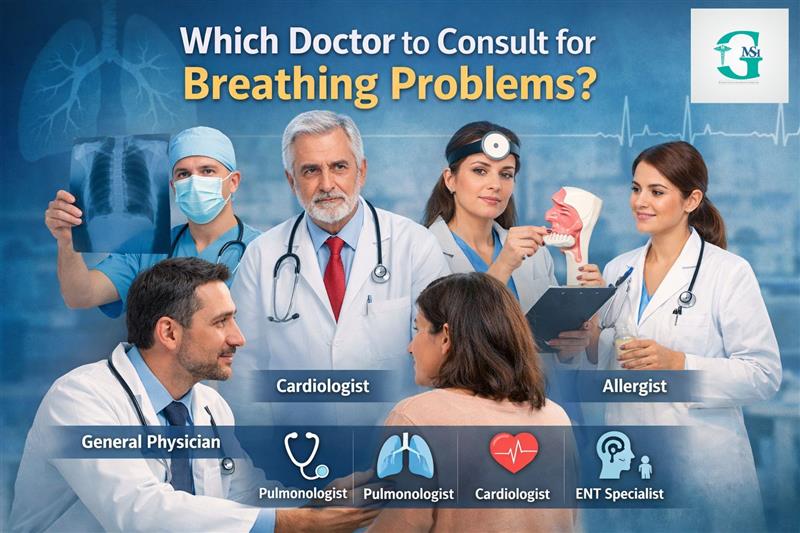
Breathing is something we usually don’t think about—until it becomes difficult. Shortness of breath, chest tightness, wheezing, or a constant feeling of not getting enough air can be scary. Many people ignore these signs or self-medicate, hoping the problem will pass. But breathing issues often point to underlying medical conditions that need timely attention.
One of the most common questions patients ask is: Which doctor to consult for breathing problems?
The answer depends on your symptoms, their severity, and how long you’ve been experiencing them.
This blog will walk you through everything you need to know—common breathing problems, the right specialists to consult, warning signs you should never ignore, and how early diagnosis can make a real difference.
About Us:
GM SuperSpeciality Hospital, Yamunanagar, stands as a reliable center for specialized medical care, delivering treatment that prioritizes patient comfort, safety, and clinical excellence. The hospital is built around a care model that blends experienced medical practice with a compassionate, people-centric approach.
The hospital is especially recognized for its expertise in urology, providing advanced care for kidney stone management and a wide range of complex urinary disorders. Equipped with modern diagnostic technology and evidence-based treatment methods, the medical team ensures accurate diagnosis and effective outcomes tailored to each patient’s condition. A coordinated approach allows patients to move seamlessly through consultation, treatment, and recovery.
With deep roots in the local community, the hospital remains dedicated to strengthening health outcomes by offering dependable, high-quality medical services that patients can trust for long-term care.
Industries We Serve:
GM SuperSpeciality Hospital, Yamunanagar, delivers a broad range of specialized healthcare services designed to meet diverse medical needs within a single facility. The hospital supports multiple clinical areas, including urology care, kidney stone management, cancer-related surgeries, orthopedic treatments, and anesthesia-driven critical care, allowing patients to access integrated medical support without navigating multiple centers.
Backed by advanced diagnostic systems and well-equipped surgical units, the hospital serves patients from Yamunanagar and nearby locations. Each department operates with a commitment to safety, accuracy, and individualized treatment planning.
Through a combination of skilled medical teams and modern healthcare infrastructure, the hospital plays an important role in strengthening regional access to reliable and high-standard medical care.
What Breathing Problems Really Mean for Your Health?
Breathing problems can show up in many forms. Some are mild and temporary, while others can be serious or even life-threatening.
Common symptoms include:
- Shortness of breath during rest or activity
- Wheezing or whistling sound while breathing
- Chest tightness or heaviness
- Persistent cough
- Difficulty breathing at night
- Fatigue due to poor oxygen intake
If you’ve been wondering Which doctor to consult for breathing problems, the first step is understanding what might be causing them.
Common Causes of Breathing Difficulties:
Breathing problems are not always related to the lungs alone. Several systems in the body can affect your ability to breathe properly.
Respiratory Causes
- Asthma
- Chronic bronchitis
- Pneumonia
- Tuberculosis
- COPD (Chronic Obstructive Pulmonary Disease)
- Lung infections
Heart-Related Causes
- Heart failure
- Irregular heartbeat
- Blocked arteries
Allergy-Related Causes
- Dust or pollen allergies
- Seasonal allergic reactions
- Pet dander sensitivity
Other Causes
- Anxiety or panic disorders
- Obesity
- Anemia
- Sleep apnea
Because there are so many possible reasons, knowing Which doctor to consult for breathing problems becomes extremely important.
Which Doctor to Consult for Breathing Problems?
The right doctor depends on your symptoms and their duration. Let’s break it down clearly.
- General Physician: Your First Point of Contact
If you’re experiencing breathing discomfort for the first time, a general physician is usually the best place to start.
They can:
- Evaluate your symptoms
- Check oxygen levels
- Identify infections or allergies
- Decide if you need a specialist referral
For mild or early symptoms, this step often answers the question of Which doctor to consult for breathing problems without confusion.
- Pulmonologist: Lung and Respiratory Specialist
A pulmonologist is the most commonly recommended specialist for breathing issues related to the lungs.
You should consult a pulmonologist if you have:
- Chronic shortness of breath
- Persistent cough
- Asthma or COPD
- Recurrent chest infections
- Wheezing that doesn’t improve
If your search for Which doctor to consult for breathing problems keeps pointing toward lung health, this is your specialist.
- Cardiologist: When the Heart Is the Cause
Many people don’t realize that heart problems can also cause breathing difficulty.
Consult a cardiologist if breathing problems are accompanied by:
- Chest pain
- Swelling in legs or feet
- Rapid heartbeat
- Breathlessness while lying down
In such cases, asking for the doctor to consult for breathing problems may lead you to heart evaluation rather than lung tests.
- ENT Specialist: For Upper Airway Issues
An ENT (Ear, Nose, Throat) specialist can help if breathing trouble is caused by blockages or infections in the upper airway.
Common reasons include:
- Deviated nasal septum
- Chronic sinusitis
- Tonsil enlargement
- Nasal polyps
If breathing difficulty feels more like blockage than breathlessness, this answers Which doctor to consult for breathing problems in a different way.
- Allergist or Immunologist
Breathing problems triggered by allergens often worsen during certain seasons or environments.
See an allergy specialist if you notice:
- Sneezing with breathing trouble
- Symptoms worsening around dust, smoke, or pollen
- Frequent allergic reactions
This is especially useful when your breathing problems are recurring but not constant.
When Should You Seek Immediate Medical Help?
Some breathing problems require urgent attention. Don’t wait or self-diagnose if you experience:
- Sudden shortness of breath
- Bluish lips or fingertips
- Severe chest pain
- Confusion or dizziness
- Rapid breathing with no relief
In emergencies, knowing the doctor to consult becomes secondary—immediate medical care is crucial.
Breathing Problems in Children and Elderly Patients:
Breathing issues can affect people of all ages, but children and elderly patients need special attention. In children, breathing problems may be linked to asthma, infections, or allergies, while older adults may experience symptoms due to COPD, heart disease, or reduced lung capacity. Age-specific symptoms are often overlooked, leading to delayed care. Parents and caregivers frequently ask Which doctor to consult for breathing problems when symptoms appear suddenly or worsen at night.
Consulting a qualified doctor early helps prevent complications and ensures age-appropriate treatment for safer recovery.
How Doctors Diagnose Breathing Problems?
Once you consult the right doctor, diagnosis may include:
- Physical examination
- Chest X-ray
- Pulmonary function tests
- CT scan
- ECG or echocardiogram
- Blood tests
These tests help pinpoint the exact cause, ensuring accurate treatment instead of guesswork.
Role of Diagnostic Technology in Identifying Breathing Issues:
Modern diagnostic technology plays a crucial role in identifying the real cause behind breathing problems. Advanced tools like digital spirometry, high-resolution CT scans, sleep studies, and oxygen saturation monitoring allow doctors to detect issues at an early stage. These tests help differentiate between lung, heart, or allergy-related conditions, reducing the chances of misdiagnosis.
Many patients feel confused while searching Which doctor to consult for breathing problems, but accurate diagnostics simplify the process by pointing them toward the right specialist. Early and precise testing leads to faster treatment, better outcomes, and improved long-term respiratory health.
Treatment Options Based on Diagnosis:
Treatment varies depending on the root cause of breathing issues.
Common treatments include:
- Inhalers or nebulization
- Antibiotics or antivirals
- Allergy medications
- Oxygen therapy
- Lifestyle modifications
- Breathing exercises
At GM SuperSpeciality Hospital, patients benefit from coordinated care across departments, ensuring that breathing problems are addressed from every possible angle.
Importance of Early Medical Evaluation for Breathing Issues:
Ignoring breathing problems can lead to:
- Worsening lung damage
- Reduced quality of life
- Emergency hospitalizations
- Long-term complications
Early diagnosis not only improves outcomes but also reduces treatment duration and cost. That’s why understanding Which doctor to consult for breathing problems at the right time can be life-changing.
Lifestyle Tips to Improve Breathing Health:
Along with medical care, simple lifestyle changes can support better breathing:
- Avoid smoking and secondhand smoke
- Exercise regularly (as advised)
- Maintain healthy body weight
- Manage allergies proactively
- Practice breathing exercises
- Reduce exposure to pollution
These steps work best when guided by the right medical professional.
Why Hospital Selection Is Important for Breathing Care?
Breathing problems often require collaboration between physicians, pulmonologists, cardiologists, and diagnostic teams. A hospital with multiple specialties under one roof ensures faster diagnosis and smoother treatment.
GM SuperSpeciality Hospital offers comprehensive respiratory care with modern diagnostics, experienced doctors, and patient-centered treatment plans.
Frequently Asked Questions (FAQs):
- Which doctor to consult for breathing problems if symptoms are mild?
A general physician is usually the best first step for mild or early symptoms.
- Should I see a pulmonologist directly for breathing difficulty?
Yes, if symptoms are persistent, worsening, or related to known lung conditions.
- Can anxiety cause breathing problems?
Yes, anxiety and panic disorders can cause shortness of breath, but medical causes should always be ruled out first.
- Are breathing problems always related to lungs?
No, heart issues, allergies, ENT conditions, and even anemia can cause breathing difficulty.
- When is breathing trouble considered an emergency?
Sudden breathlessness, chest pain, blue lips, or confusion require immediate medical attention.
Final Thoughts:
Breathing problems should never be ignored or self-treated without proper diagnosis. Whether symptoms are mild or severe, knowing Which doctor to consult for breathing problems helps you take the right step at the right time.
Early consultation, accurate diagnosis, and expert care can restore not just your breathing—but your confidence and quality of life too.
Contact Us for more details!